


Do you find yourself short of breath after just a quick walk? Or maybe you have a stubborn cough that just won’t go away?
If you’ve been smoking for years—or even decades—don’t be surprised if your doctor tells you during a check-up that your lungs have taken a serious hit.
It’s easy to feel like the damage is permanent and that quitting won’t make a difference.
But here’s the encouraging news: your lungs can begin to repair themselves once you stop smoking, though the healing process takes time.

Chat to a prescriber
Bulk-billed phone consultations
TGA-authorised clinicians
Nicotine vaping scripts available
Today, we’ll take a closer look at how this recovery works.
The Impact of Smoking on Lung Health
Every time you smoke, the toxic chemicals in cigarette smoke head straight to your lungs.
This irritates and inflames your bronchial tubes and alveoli, and over time, the cilia—tiny hair-like structures that help clear mucus and debris—become damaged or destroyed by repeated exposure to smoke.
Among all the dangerous substances in cigarettes, tar is one of the most harmful. While you may already know about toxins like aldehydes, carbon monoxide, and heavy metals such as cadmium, tar is particularly destructive.
It clings to the bronchial tubes and lung tissue, making breathing more difficult and trapping additional harmful chemicals inside your lungs.
This buildup significantly raises your risk of developing chronic conditions like COPD, emphysema, lung cancer, and other serious respiratory illnesses.
How Long Does It Take Lungs To Heal After Smoking?
The average recovery time for your lungs to function normally again is about one year. This clearly shows how important it is to stop smoking to help your lungs heal and recover.
If you quit smoking at a certain age, your lungs can recover quite a bit and may even work like they did before you started smoking. This applies whether you’ve smoked for a decade or even longer.
Once you stop, the cilia in your lungs begin to regrow and clear out all the tar and toxic chemicals. This is why you might experience heavy, dry coughing fits for a few days to a week after quitting.
Short-Term Effects of Quitting Smoking on Lung Health
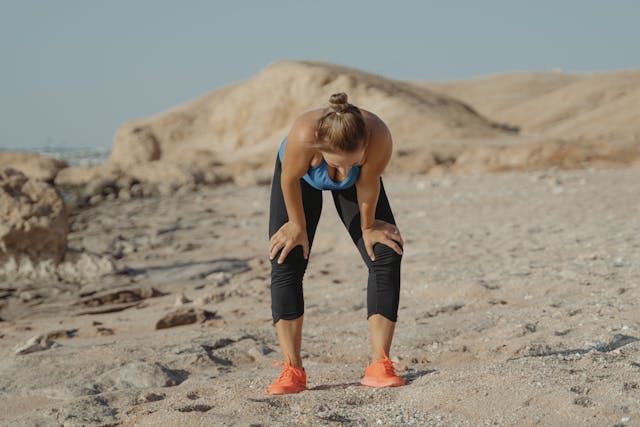
Quitting smoking for at least one day helps your cilia recover and start cleaning your lungs. While you might not feel immediate relief by breathing better or making your cough disappear, your pulse will return to normal and your circulation will have already improved.
By the 6th day, you’ll definitely feel different. You might still have bouts of coughing and wheezing, but that means your cilia are becoming more efficient at cleaning away toxins and chemicals – it’s a good thing.
Remember, this is just the beginning of your recovery – and everything’s bound to get better as the days you’ve stopped smoking pile on.
Long-Term Recovery Timeline for Smoker’s Lungs
By two weeks of stopping smoking, your withdrawal symptoms will have weakened, and you’ll also be breathing a lot better by this time as your cilia will have removed a huge amount of dangerous chemicals from your lungs.
Because your dopamine levels have reset, you will feel less mental and emotional strain from withdrawal symptoms and even enjoy new hobbies and activities if you’ve picked some up.
By a month, you can probably start some heavier exercises like jogging and hiking. You’ll feel far less tired taking a short flight of stairs too. You can expect this to get better and better as the months go by.
Once you’ve reached the milestone of one year, you’ll surely feel a major difference in the way you breathe and feel about yourself physically, mentally, and emotionally. Your lungs may even have returned to their normal function by this time, as if you never smoked at all.

Summary
It takes a year and a few more months for the lungs to return to their reliable function after stopping smoking. But, quitting smoking is the hardest yet simplest step you can take, and the good news is that it’s easy to quit today with the help of a GP to monitor and guide you through the journey.
And if you need a little motivation to get through the two weeks of initial difficulty in quitting and beyond, we can help.
Smokefree Clinic gives you access to many medically reviewed and trustworthy resources that can inform and aid you in your path to wellness, so have a look around!
If you’re ready to get started, Smokefree can connect you to friendly Australian healthcare professionals who excel in helping patients quit smoking for good, including via the use of pharmacy NVPs.
Click here to book in with a doctor today.
Link Reference:
- https://www.check4cancer.com/advice-and-awareness/blog/1697-lung-recovery-after-smoking
- https://www.mdanderson.org/cancerwise/what-happens-to-your-lungs-from-smoking–3-things-to-know.h00-159540534.html